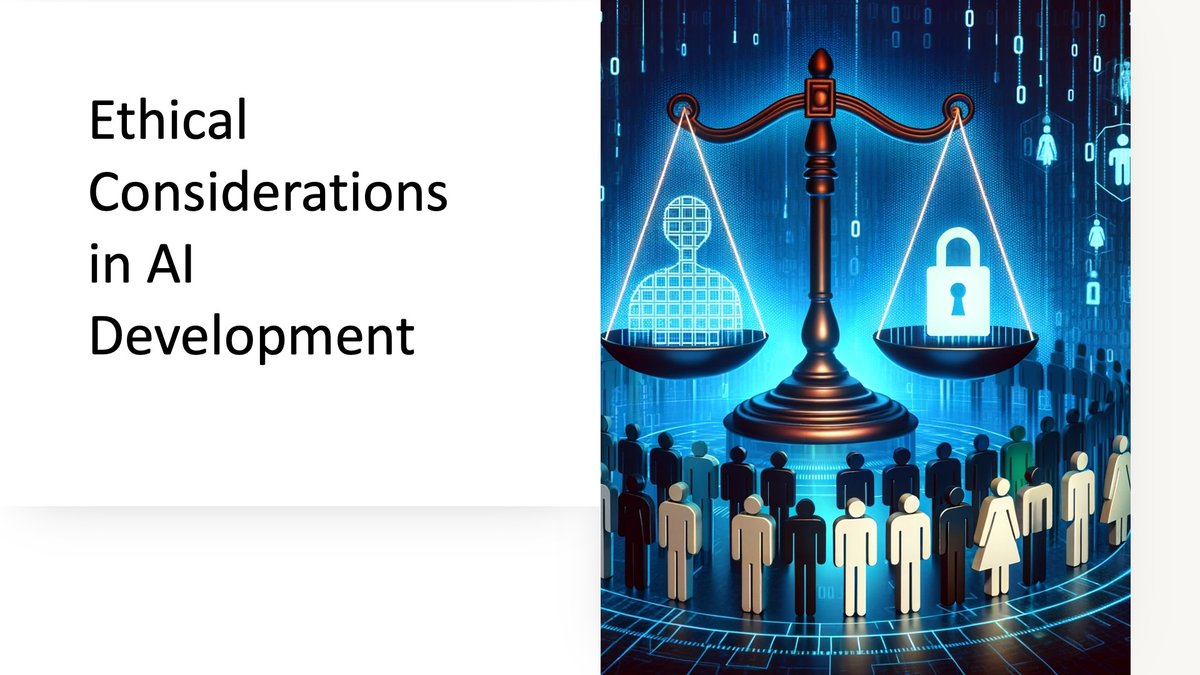
In the evocative realm of art photography, where emotion meets image and vision translates to visual narrative, a profound responsibility rests upon the creator. It’s a space where beauty, truth, and provocation converge, but also one ripe for missteps if ethical guardrails aren't firmly in place. Addressing Ethical Considerations and Model Safety in Art Photography isn't just about avoiding controversy; it's about fostering trust, respect, and integrity in every frame, ensuring that the pursuit of artistic expression never comes at the cost of human dignity or broader societal values.
At a Glance: Navigating Ethical Waters
- Informed Consent is Paramount: Always ensure subjects fully understand and willingly agree to participate, especially when working with models.
- Protect Vulnerable Individuals: Extra sensitivity and proper legal consent are crucial when photographing minors or those in precarious situations.
- Truthful Representation: Strive for authenticity. If manipulation is part of the art, be transparent about its intent and potential impact.
- Respect Cultural Context: Research and honor cultural heritage, avoiding appropriation, stereotypes, and misrepresentation.
- Minimize Environmental Impact: Practice sustainability in your artistic process, from materials to waste disposal.
- Uphold Artistic Integrity: Avoid plagiarism, credit inspiration, and develop a unique voice.
- Future-Proof Your Ethics: Understand the ethical implications of AI, VR, and other emerging technologies in photography.
The Canvas of Conscience: Defining Ethical Art Photography
Art photography, by its very nature, pushes boundaries. It can be a powerful tool for social commentary, a mirror reflecting our shared humanity, or a window into untold stories. Yet, this power carries immense weight. The lens has the capacity not only to capture emotions and realities but also to distort truth, exploit subjects, or inadvertently cause harm.
Upholding ethical practices and artistic integrity means navigating a complex landscape where your artistic vision intersects with the rights and dignity of others, cultural sensitivities, and even environmental responsibility. It's about asking not just "Can I create this?" but "Should I create this?" and "How can I create this responsibly?"
Beyond the Lens: Pure vs. Composite Artistry
Not all art photography operates under the same ethical umbrella regarding truthfulness.
- Pure Photography: This tradition often emphasizes honesty, authenticity, and transparency, aiming to represent the subject as genuinely captured by the camera. The ethical mandate here is to preserve the integrity of the scene without staging or deceptive manipulation.
- Composite and Conceptual Photography: In contrast, genres like composite photography inherently involve altering or combining elements to create a new reality. Here, the ethical focus shifts to respecting intellectual property rights in source materials and ensuring the final image doesn't mislead an audience about its nature or intent, especially if it purports to represent a real event or person. For instance, if you're creating a surreal landscape from multiple images, the artistic intent is clear. If you combine images to fabricate a news event, that's a serious ethical breach.
Even in commercial contexts, such as advertising photography, the goal is persuasive rather than purely documentary. The ethical line here involves avoiding deceptive or harmful presentations of products or services. The artistic choices must not exploit vulnerabilities or promote misinformation.
Paramount Concern: Respecting Rights and Dignity of Subjects (Model Safety)
When people are central to your art, their well-being, autonomy, and dignity become your highest ethical priority. This isn't just about physical safety during a shoot; it encompasses psychological, emotional, and reputational safety as well. This is the heart of model safety in art photography.
The Cornerstone: Informed Consent
True consent goes far beyond a signature on a model release form. It's an ongoing dialogue built on transparency and trust.
- Explain the Purpose Clearly: Before any shoot, thoroughly explain the artistic vision, the intended use of the images (exhibitions, prints, online, commercial, etc.), and the potential audience. Be explicit about the themes, mood, and any sensitive aspects of the shoot.
- Ensure Voluntary Participation: Consent must be freely given, without coercion, pressure, or undue influence. Models should feel empowered to say no or to withdraw consent at any point without negative repercussions.
- Respect Privacy: Discuss boundaries regarding nudity, intimate poses, or revealing personal information. Establish clear guidelines for how images will be stored, processed, and potentially shared. Models should have control over what parts of themselves, both physically and emotionally, they are willing to expose.
- Review the Release Form: A legal release form is essential, but it should accurately reflect the discussions and agreements made. Ensure the model understands all clauses, especially those concerning usage rights, compensation (if applicable), and duration.
- Ongoing Dialogue: Consent isn't a one-time event. Check in with your models throughout the shoot. Are they comfortable? Do they need a break? Has anything changed their comfort level? A simple "Are you still okay with this?" can make a world of difference.
Protecting Vulnerable Populations
Working with individuals who may be more susceptible to harm or exploitation requires an even higher degree of ethical vigilance.
- Minors: Always obtain explicit, written consent from parents or legal guardians, in addition to assent from the minor themselves (if they are old enough to understand). Ensure a parent or guardian is present during the entire shoot. Prioritize the child's best interests and safety above all artistic considerations. Never put a minor in a compromising or unsafe situation, physically or emotionally.
- Individuals in Crisis or Vulnerable Circumstances: Whether photographing people experiencing homelessness, illness, or other forms of distress, approach with profound sensitivity and respect. Ensure their participation does not exploit their situation, diminish their dignity, or put them at further risk. Clearly articulate how the images might be used and their potential impact.
Avoiding Exploitation
Exploitation isn't always overt; it can manifest subtly through imbalanced power dynamics or misrepresentation.
- Represent Truthfully and Respectfully: Art photography often interprets reality, but it should not misrepresent or sensationalize a subject's identity or experience in a way that is harmful or demeaning.
- Fair Compensation or Reciprocity: If you're undertaking a commercial project, fair compensation for models is standard practice. For fine art projects, if monetary payment isn't feasible, consider other forms of reciprocity—such as providing prints, high-resolution digital files for their portfolio, or significant attribution and exposure. The model's time and contribution have value.
- Provide Context to Prevent Misinterpretation: When exhibiting or publishing images, consider providing context—through artist statements, captions, or accompanying text—that illuminates your intent and respects the subject's narrative. This is especially vital for emotionally charged or ambiguous works.
Broader Ethical Canvases: Beyond the Subject
While model safety is paramount, art photography's ethical landscape extends to how you interact with cultures, the environment, and the artistic community itself.
Respecting Cultural Context
Cultural appropriation is a significant concern in the art world. Using cultural elements without understanding or acknowledging their significance can lead to misrepresentation, disrespect, and the perpetuation of stereotypes.
- Research Thoroughly: Before incorporating cultural symbols, styles, themes, or traditions into your work, conduct in-depth research into their history, significance, and proper context.
- Seek Consent and Collaboration: When possible, seek consent from individuals of the represented culture. Better yet, collaborate with artists or community members from that culture to ensure authentic and respectful representation.
- Acknowledge and Credit Sources: If your work draws inspiration from a specific cultural heritage, acknowledge your sources and influences. Transparency builds trust.
- Avoid Stereotypes and Misrepresentations: Challenge preconceived notions rather than reinforcing harmful stereotypes. Use your art to educate and foster understanding of diverse cultures, rather than exoticizing or simplifying them.
Environmental Impact and Sustainability
The pursuit of art should not come at the expense of our planet. Sustainable practices are becoming increasingly critical for all creative fields.
- Eco-Friendly Materials: Prioritize the use of recycled, biodegradable, non-toxic, or sustainably sourced materials in your prints, framing, and studio operations.
- Minimize Waste: Implement practices like recycling, reusing materials, and conserving resources (water, electricity) throughout your creative process. Plan projects carefully to avoid overbuying materials you won't use.
- Responsible Disposal: Understand how to properly dispose of harmful art materials (e.g., certain chemicals, batteries) to prevent environmental contamination.
- Location Scouting: If shooting outdoors, minimize disturbance to wildlife and natural habitats. Leave no trace, and adhere to all local environmental regulations.
Artistic Integrity and Plagiarism
Your unique artistic voice is your most valuable asset. Protecting it, and respecting that of others, is fundamental.
- Develop Your Unique Style: Experiment and explore to find your distinct artistic vision. This genuine exploration is the best defense against unintentional mimicry.
- Give Credit Where Due: If you draw inspiration from another artist's work, a specific historical period, or a particular movement, credit your sources. Inspiration is different from direct copying.
- Seek Permission for Significant Incorporation: If you plan to incorporate a significant part of another's copyrighted work into your own (e.g., using a specific pose from a famous painting, or a direct photographic element), seek permission from the original creator or rights holder. This also applies to the use of source images for composite work.
- Reflect on Intentions: Regularly reflect on your creative intentions. Are they aligned with your personal values and ethical principles, or are you tempted by shortcuts that infringe on others' rights?
Addressing Controversial Themes
Art photography often confronts difficult, uncomfortable, or taboo subjects. This is a powerful role, but it requires profound ethical consideration.
- Approach with Sensitivity: When tackling controversial themes (e.g., violence, trauma, sexuality, political unrest), do so with deep sensitivity and respect for all potential viewers and subjects.
- Contribute to Conversation: Aim to foster thoughtful dialogue, provoke reflection, or shed light on critical issues, rather than merely shock for shock's sake.
- Consider Diverse Perspectives: Understand that your work may be interpreted differently by various audiences. Engage in dialogue and consider diverse perspectives to ensure your message is received as intended, or to learn from alternative interpretations.
Intellectual Property Rights
Just as you wish your work to be protected, you must recognize and respect the legal rights of other artists.
- Copyright Awareness: Understand basic copyright law pertaining to photography. Your work is copyrighted the moment it's created, and so is theirs.
- Permission and Attribution: Never reproduce, distribute, or use another artist’s work without proper permission or attribution. This includes images found online. Even if an image is widely available, it doesn't mean it's free for public use.
The Truth in the Lens: Authenticity and Manipulation
In an age of digital tools, the line between capture and creation can blur. Art photography has always embraced interpretation, but ethics demand transparency about that interpretation, especially when it touches on perceived reality.
When to Draw the Line with Photo Manipulation
The ethical standards for photo manipulation vary significantly depending on the genre and intent.
- Photojournalism vs. Art Photography: In photojournalism, manipulation is strictly limited to maintain factual integrity. In art photography, manipulation is often the essence of the work. The key is transparency and intent.
- Transparency About Extent: If your art photographs appear to be documentary but are heavily manipulated, consider how you present them. An artist's statement or explicit labeling can clarify that the image is a creative construction, not a factual record. This prevents misleading viewers.
- Avoiding Deception: Ensure your editing choices, even artistic ones, don't deceptively distort the truth of the subject if you're aiming for a realistic portrayal. For example, adding elements that weren't present in a scene could deceive, whereas adjusting colors for mood is typically accepted.
Genre-Specific Ethical Nuances in Art Photography
While the overarching principles apply, different photographic genres often present unique ethical challenges that artists must navigate.
Portrait and Fashion Photography
These genres are deeply intertwined with model safety and identity.
- Empower Subjects: Aim to create images that empower your subjects, making them feel seen, respected, and beautiful in a way that aligns with their own self-perception, rather than imposing an external ideal.
- Respect Boundaries: Clear communication about comfort levels, posing, and attire is crucial. Avoid pushing boundaries without explicit, enthusiastic consent.
- Ethical Retouching: While retouching is common, particularly in fashion and beauty, avoid excessive alterations that distort reality, promote unhealthy body images, or create unattainable ideals. Be mindful of how your retouching impacts self-esteem and societal perceptions of beauty.
Street Photography & Public Spaces
Capturing life as it unfolds in public spaces can be incredibly artistic, but it raises questions of privacy.
- Discretion and Sensitivity: Practice discretion. Be mindful of people's reactions and their right to not be photographed. Avoid intrusive or aggressive tactics.
- Seek Consent When Possible: While often impractical in fast-paced street photography, if you're engaging with a subject directly, a simple request for permission can transform a fleeting moment into a collaborative portrait.
- Public vs. Private: Remember that being in a public space doesn't automatically negate a person's expectation of privacy, especially if the image is unflattering, highly personal, or could cause harm. Consider the potential impact of your image if it were to become widely public.
Wildlife Photography & Nature Art
When nature is your subject, your ethical duty shifts to protecting the environment and its inhabitants.
- Non-Intrusive Practices: Never disturb, harass, or endanger wildlife for a photograph. Use long lenses to maintain a safe distance. Avoid baiting animals or altering their natural behavior.
- Promote Conservation: Use your art to raise awareness about environmental issues, promote conservation, and highlight the beauty and fragility of natural ecosystems.
- Honest Representation: Avoid staging wildlife scenes or misrepresenting captive animals as wild. Authenticity builds trust in your message.
Navigating the Future: Emerging Technologies and Ethical Frontiers
The landscape of photography is constantly evolving, with new technologies introducing exciting possibilities—and complex ethical dilemmas. Staying ahead requires understanding these trends and their implications for art photography and model safety.
Artificial Intelligence (AI) and Machine Learning (ML)
AI is already transforming photography, from automated editing to generative art.
- Deepfakes and Authenticity: The ability of AI to generate hyper-realistic images of people or scenes that never existed poses a massive challenge to authenticity. For art photography, transparency becomes even more critical: clearly distinguish AI-generated or heavily AI-assisted work from traditional photography.
- Bias in Algorithms: AI models are trained on vast datasets, which can perpetuate and amplify existing biases (e.g., racial, gender). Be aware of potential biases in AI tools you use, especially those that "enhance" or "beautify" images of human subjects, and ensure they don't contribute to harmful stereotypes.
- Ownership and Attribution: Who owns the copyright of an image generated by AI? What about images created using AI that learned from copyrighted material? These legal and ethical questions are still being debated but demand consideration as you engage with these tools.
- Consent for AI Training: If AI models are trained on images of real people, are those people's rights (e.g., privacy, likeness) being respected?
Augmented Reality (AR) and Virtual Reality (VR)
Immersive technologies offer new ways to experience and interact with photographic art.
- New Forms of Consent: If you create interactive AR/VR art that uses models, what kind of consent is needed for a user to "step into" an experience with their likeness? The boundaries of virtual presence and interaction need careful thought.
- Emotional Impact: Immersive experiences can have a profound emotional impact. Consider the psychological effects your AR/VR art might have on viewers, especially if it deals with sensitive themes.
- Data Privacy: AR/VR applications often collect user data (movement, gaze, reactions). Ensure transparent data collection practices and robust privacy protections.
Computational Photography
Advanced in-camera processing, like multi-frame processing, depth mapping, and advanced HDR, creates images impossible with traditional methods.
- Altering Reality at Capture: While not AI-driven in the generative sense, computational photography significantly alters what is "captured." The ethical discussion mirrors that of post-processing: what is the intent, and is there any potential for deception about the nature of the image?
Blockchain and NFTs (Non-Fungible Tokens)
NFTs offer new avenues for digital ownership and revenue for photographers, but they come with their own ethical concerns.
- Environmental Cost: The energy consumption of some blockchain networks (especially Proof-of-Work systems) is substantial, raising environmental sustainability concerns for eco-conscious artists.
- Authenticity and Scams: While blockchain aims to verify ownership, the NFT market has seen issues with scams, art theft (tokenizing art without the creator's permission), and questionable provenance. Diligence is required.
- Accessibility: Is the NFT market truly equitable for all artists, or does it create new barriers to entry?
Mobile Photography Innovations and Social Media
The ease of capture and instant sharing from mobile devices brings ethics to the forefront of everyday practice.
- Instant Sharing and Repercussions: The speed of sharing on social media means images can go viral before you've fully considered their implications. Exercise caution and forethought before posting, especially images involving identifiable individuals or sensitive content.
- Filters and Manipulation: Ubiquitous filters and editing tools make altering images incredibly easy. While often harmless fun, reinforce the transparency principle: if you're presenting work as art, be clear about the level of modification.
The common thread through all these trends is the increased need for foresight, critical thinking, and a robust ethical framework that adapts as technology advances.
Forging Your Ethical Compass: A Framework for Responsible Creation
Building an ethical practice isn't about rigid rules; it's about cultivating a mindset of awareness, respect, and responsibility.
- Educate Yourself Continuously: Stay informed about current ethical debates in photography, changing cultural sensitivities, and evolving technological implications. Read, listen, and engage with diverse perspectives.
- Self-Reflect Rigorously: Before, during, and after a project, ask yourself critical questions:
- What is my intention with this work? Is it genuinely artistic, or am I seeking shock value or exploitation?
- Whose story am I telling, and am I telling it accurately and respectfully?
- Could this image potentially harm anyone (subject, community, viewer)?
- Have I obtained all necessary consents, and are they truly informed and voluntary?
- Am I respecting intellectual property rights and cultural contexts?
- What is my environmental footprint for this project?
- Prioritize Communication: Foster open, honest, and continuous dialogue with your subjects, collaborators, and even your audience.
- Build Trust: Ethical behavior is the foundation of trust. When your subjects, peers, and audience trust your integrity, your art gains deeper resonance and impact.
- Seek Peer Review: Share your ideas or works-in-progress with trusted colleagues or mentors. An outside perspective can often highlight ethical blind spots you might miss.
- Develop Your Own Code: Consider writing down your personal ethical guidelines for your art practice. This internal "code of conduct" can serve as a valuable reference point. When considering a professional studio setup for your art photography, ensuring they adhere to stringent ethical guidelines, much like those championed by professional spaces, is paramount. You might explore Bare Back Studios as an example of a commitment to professional standards.
Common Questions and Ethical Dilemmas
"If someone is in a public place, don't I have the right to photograph them?"
Legally, often yes, especially in countries like the US, where there's generally no expectation of privacy in public spaces. Ethically, it's more nuanced. While you can take the photo, consider if you should. Is it respectful? Could it cause distress? If your aim is art and not documentary journalism, the ethical bar for discretion and respect for privacy rises.
"What if I can't get consent, but the image is very powerful?"
This is a classic dilemma. For art photography, if direct consent isn't possible (e.g., candid street photography where you capture a fleeting moment and the subject is gone), you must weigh the artistic merit against the potential for harm or invasion of privacy. Always err on the side of caution. If the image is highly personal, vulnerable, or could negatively impact the subject, it's often better not to use it or to anonymize it if possible.
"Is it okay to stage a scene and present it as 'real' if it's for art?"
Generally no, if "real" implies a factual, documentary capture. If your art aims to comment on reality but uses staged elements, transparency is key. An artist's statement or title ("Untitled, Staged Series") can clarify your intent. The problem arises when the audience is misled into believing a constructed scene is an unvarnished truth, especially if it influences public perception negatively.
"How do I avoid cultural appropriation without limiting my artistic expression?"
The key is deep engagement, respect, and acknowledgment. Instead of "taking" from a culture, seek to understand, collaborate, and co-create. Move from consumption to contribution. If you're inspired by a cultural aesthetic, ensure you're not stripping it of its meaning, using it superficially, or reinforcing stereotypes. Attributing your inspiration, and learning about its origins, is a good start.
"What's the difference between inspiration and plagiarism?"
Inspiration is seeing something and having it spark your own unique idea or direction. Plagiarism is directly copying, recreating, or using a significant portion of another's work (ideas, composition, execution) without permission or proper credit, passing it off as your own. Developing your own style through practice and self-reflection is the best way to distinguish.
Creating Art with Integrity and Impact
Ethical considerations are not limitations on your creativity; they are foundational pillars that strengthen it. By embracing ethical practices and prioritizing model safety, cultural respect, and environmental consciousness, art photographers can create work that is not only visually compelling but also deeply meaningful and responsible. This approach builds trust, enriches the artistic community, and ensures that your powerful voice contributes positively to the world.
Your journey as an art photographer is a continuous exploration, both of your subjects and your own values. By constantly refining your ethical compass, you elevate your craft from mere image-making to a profound act of responsible creation.