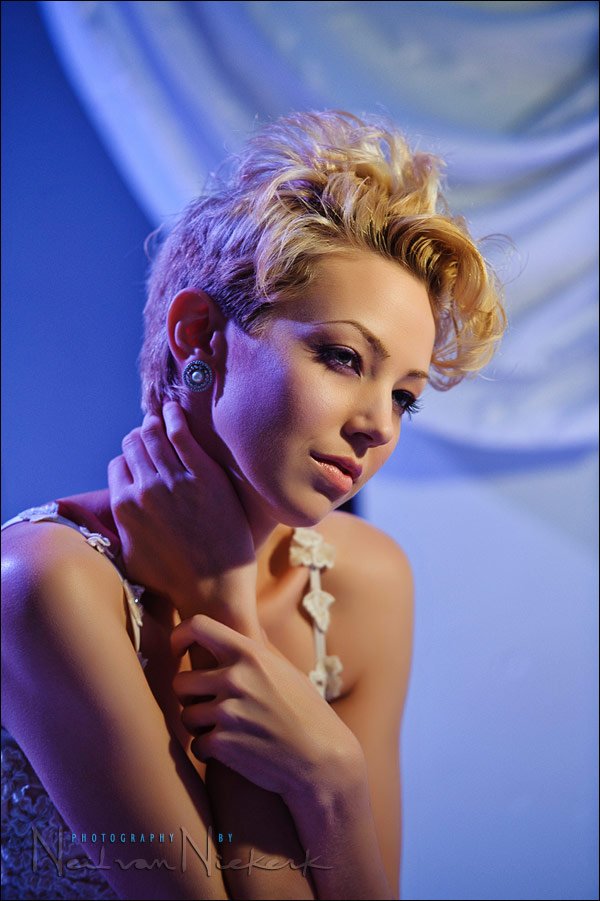
Mastering the delicate dance of Posing and Directing Models for Art Photography transforms good images into truly captivating works. It’s not just about pointing a camera; it's about crafting a vision, building trust, and drawing out the essence of your subject. For many photographers, this is where the art truly begins – moving beyond technical proficiency to create a visual narrative that resonates deeply with viewers.
If you’ve ever felt a pang of frustration trying to communicate your creative intent, or if your models sometimes look stiff and unnatural, you're not alone. The journey from capturing a snapshot to directing a stunning art piece requires a specific blend of technical know-how and interpersonal finesse. This guide will walk you through building that confidence and skill, turning those moments of awkward silence into a seamless creative flow.
At a Glance: Key Takeaways for Confident Directing
- Communication is King: Clearly articulate your vision, mood, and expectations before and during the shoot.
- Build Genuine Rapport: Trust is the bedrock of authentic poses; get to know your model and maintain a respectful, professional demeanor.
- Give Specific, Actionable Cues: Vague instructions lead to vague poses. Use precise language and visual demonstrations.
- Read Body Language: Pay close attention to your model's comfort and subtle signals, adjusting as needed to enhance composition.
- Embrace Flexibility: Be prepared to adapt to the model's energy, skill level, and environmental factors.
- Prioritize Authenticity: Encourage natural expressions and movements, focusing on candid moments over overly staged shots.
- Practice Makes Perfect: Continuously hone your directing skills with diverse models and scenarios; every shoot is a learning opportunity.
Beyond the Shutter: Why Direction Defines Your Art
You can have the most expensive camera, perfect lighting, and an incredible location, but without effective direction, your art photography will often fall flat. The camera, after all, only captures what's in front of it. Your role as a photographer is to shape what's in front of it, guiding your model to embody the emotion, story, or aesthetic you envision.
This isn’t just about making someone look good; it's about making them feel good, comfortable, and inspired to collaborate in creating something extraordinary. Whether you're aiming for the timeless grace of classical fine art nudes, the evocative power of expressive portraiture, or the sophisticated allure of glamour styles, the quality of your direction is paramount. It’s the invisible thread connecting your artistic concept to the final, compelling image.
Building the Foundation: Rapport, Trust, and a Shared Vision
Before you even think about a specific pose, you need to lay the groundwork. A successful photoshoot is a collaborative effort, and that collaboration thrives on mutual respect and understanding.
Starting Strong: The Pre-Shoot Conversation
Every great shoot begins with a clear conversation. Don't assume your model can read your mind. Instead, take the time to discuss:
- Your Vision: What story are you trying to tell? What emotions do you want to evoke?
- Goals & Expectations: Are you aiming for a specific portfolio piece, a client project, or an experimental art series? Be explicit.
- Mood & Style: Share visual references – mood boards, example images, even music – to convey the desired atmosphere. Is it contemplative, dramatic, ethereal, or playful?
- Concept & Theme: If there's a specific theme, ensure the model understands it and feels connected to it.
- Logistics & Comfort: Discuss outfits, hair, makeup, and any areas of discomfort. Transparency here builds invaluable trust.
Encourage the model's input. They might have ideas that enhance your vision or bring a unique perspective to the table. This initial dialogue transforms a transactional booking into a creative partnership.
Cultivating Connection: More Than Just "Hello"
Once on set, move beyond the pre-shoot discussion and actively build rapport. Genuine human connection makes an immense difference.
- Show Genuine Interest: Ask about their day, their interests, or their experience. This isn't small talk; it's relationship-building.
- Maintain Professionalism with Warmth: Be friendly and approachable, but always maintain a respectful and professional demeanor. This balance fosters a safe and productive environment.
- Empathy is Key: Understand that modeling can be vulnerable. Acknowledge their effort, listen to their concerns, and create a space where they feel heard and valued.
- Be a Collaborator, Not a Dictator: When a model trusts you, they'll be more willing to experiment, push boundaries, and bring their authentic self to the camera. This shared trust is especially crucial when working on sensitive subjects like fine art nudes or expressive portraiture.
Mastering the Language of Direction: From Vague to Vivid
Once the stage is set with trust and clear expectations, your ability to direct the pose itself becomes the next critical skill. This involves moving beyond generic prompts like "just be natural" to specific, actionable guidance.
Precision in Your Cues: The Power of Specificity
Vague instructions lead to generic results. Instead of saying "move your arm," try:
- "Lift your left arm slowly, bringing your elbow slightly forward, and let your fingers gently drape over your shoulder."
- "Imagine you're stretching towards the sunlight, elongating your neck and reaching with your fingertips."
- "Soften your shoulders, letting them drop away from your ears."
- "Tilt your chin down just a hair, looking slightly past the lens, as if contemplating something just out of reach."
Use verbs that convey motion and emotion. Shift, lean, curve, extend, soften, gaze, breathe. This level of detail empowers your model to understand and execute your vision precisely.
Visualizing Success: Gestures and Demonstrations
Words aren't always enough. Supplement your verbal cues with visual aids:
- Demonstrate (Appropriately): If you want a specific hand position, show it with your own hand. For a body curve, briefly demonstrate the line with your own posture (without invading personal space or making the model uncomfortable).
- Use Your Hands: Gesture to where you want their gaze, how much you want a head tilt, or the direction of movement.
- Reference Points: "Place your hand on your hip bone," or "Point your toe towards the camera."
- Mirroring: Sometimes, simply showing the pose yourself helps the model understand faster than any verbal description. Just remember to be mindful of boundaries.
The Art of Feedback: Encouragement and Refinement
Feedback isn't just about correction; it's about continuous improvement and motivation.
- Start with Praise: Always begin by highlighting what the model is doing well. "That last pose was fantastic, especially the curve of your back."
- Be Patient and Encouraging: Creating art takes time. If a pose isn't quite right, break it down. "Let's try that again, but this time, can you bring your weight onto your front foot?"
- Offer Solutions, Not Just Problems: Instead of "Your hand looks stiff," try "Let's relax your fingers a bit more, imagine holding something delicate."
- "One More Small Adjustment": This phrase is gold. It signals that they're almost there and just need a minor tweak.
- Guide Relaxation: Remind models to soften their facial muscles, breathe, and release tension in their shoulders or jaw. A relaxed model is a natural model.
Crafting Visual Narratives: Posing for Artistic Impact
Now, let's delve into the specific techniques and considerations for different styles within art photography, from the timeless to the abstract.
The Timelessness of Classical Fine Art
For classical fine art photography, whether it's portraiture or nude work, the emphasis is on elegance, form, and composition.
- Lines and Curves: Pay attention to the human form's natural lines and how they interact with the frame. Look for S-curves, diagonal lines, and leading lines created by limbs.
- Balance and Symmetry: Explore both symmetrical and asymmetrical compositions, understanding how each affects the viewer's perception.
- Weight Distribution: Guide the model to shift their weight, creating dynamic and natural-looking poses rather than flat, static ones. A slight lean or counter-pose can add immense grace.
- Hand and Foot Placement: These are often overlooked but crucial. Soften hands, point toes, or use them to frame other parts of the body. A "dancer's foot" or relaxed fingers can elevate a pose.
- Head and Gaze: The direction of the head and eyes dictates where the viewer's attention is drawn. Direct the gaze to convey emotion – direct to camera for connection, away for introspection, or down for vulnerability.
- Timeless Techniques: Think of classical sculpture and painting. How did masters pose their subjects? Often, it's about simplified forms, strong silhouettes, and a sense of stillness or gentle movement. Exploring resources that delve into classical fine art photography, lighting, and timeless techniques can refine your approach.
The Allure of Glamour Nudes
Glamour nudes possess a unique visual style that combines sensuality with sophistication. The direction here is often about creating alluring shapes, emphasizing curves, and using light to sculpt the body.
- Highlighting Form: Use posing to accentuate the body's natural curves and contours. Arching the back slightly, turning the hips, or draping limbs can create captivating shapes.
- Soft Transitions: Avoid harsh angles unless intentionally used for dramatic effect. Aim for smooth, flowing transitions between body parts.
- Light as a Sculptor: Work with your lighting to emphasize highlights and shadows, defining muscle tone and curves. Side lighting or Rembrandt lighting can be incredibly effective here.
- Expression and Mood: While often sensual, expressions in glamour nudes can range from confident and strong to soft and contemplative. Guide the model to convey the desired mood through their gaze and subtle facial expressions.
- Props and Drapery: Thoughtfully incorporated fabrics or simple props can enhance the aesthetic, adding texture, mystery, or a touch of narrative.
Evoking Emotion Through Expressive Portraiture
Expressive portraiture is less about perfect form and more about raw emotion and personality.
- Focus on the Face: Guide micro-expressions. "Think about that feeling of surprise," or "Show me anticipation."
- Contextual Cues: Give the model a scenario. "Imagine you've just received incredible news," or "You're waiting for someone important."
- Movement and Imperfection: Encourage slight movements, a stray lock of hair, or an unexpected gesture. These "imperfections" often capture the most authentic moments.
- Silence and Stillness: Sometimes the most profound expressions emerge from moments of quiet contemplation. Give your model space to simply be.
Abstracted Forms and Close-Up Studies
When working with close-up or abstracted images, the focus shifts to natural body forms, textures, and intimate details.
- Isolate and Emphasize: Direct the model to position specific body parts (hands, feet, shoulders, torso) in ways that create interesting shapes, textures, or implied narratives when isolated.
- Curves and Contours: Look for the beautiful natural geometry of the body. A bent elbow, a flexed knee, or the curve of a hip can become a stunning abstract composition.
- Lighting for Texture: Use grazing light to emphasize skin texture, subtle wrinkles, or the interplay of light and shadow on the form.
- Minimalism: Less is often more. The pose should be simple, allowing the form itself to be the subject.
Understanding these varied approaches allows you to adapt your direction to suit the specific artistic vision for each shoot, ensuring you create stunning fine art and glamour images every time, including essential Black & White techniques where contrast and form truly shine. To dive deeper into these refined techniques and truly elevate your practice, you might find immense value in dedicated courses that feature detailed video lessons and comprehensive textbooks, like those developed by experts such as Dan, with insights from models like Hanna and Dominika. You can Learn more about Bare Back Studios for resources on artistic photography.
Embracing Flexibility and Authenticity
Even with the clearest vision and best intentions, a photoshoot is a dynamic environment. Your ability to adapt and encourage authenticity will define your success.
The Art of Adaptation: Go with the Flow
- Read the Room (and the Model): Observe your model's energy levels, comfort, and skill. If they're struggling with a complex pose, simplify it. If they're full of ideas, let them experiment.
- Environmental Factors: Lighting changes, unexpected noises, or temperature shifts can impact the shoot. Be ready to pivot your plans.
- Open to Experimentation: Some of the best shots come from spontaneous moments or when a model tries something unexpected. Don't be rigidly tied to your mood board.
- Solicit Feedback: Ask your model, "How does that feel?" or "Do you have any ideas for this setup?" Their comfort and input are invaluable.
The Power of Authentic Moments
While precise posing has its place, the most compelling images often capture something real and unscripted.
- Encourage Personality: Let your model's unique character shine through. Sometimes, the "right" pose is simply a reflection of who they are.
- Capture Candid Expressions: Don't be afraid to keep shooting between poses. A laugh, a thoughtful gaze, or a quiet moment of reflection can be more powerful than any deliberate pose.
- Guide, Don't Control: Your role is to guide the model towards a feeling or a general direction, then give them the freedom to interpret it in their own way. "Don't just pose; feel."
Overcoming Common Directing Pitfalls
Even seasoned photographers can fall into these traps. Awareness is the first step to avoidance.
- Vagueness: "Just move around," or "Do whatever feels natural" rarely works. Models need concrete starting points.
- Over-Directing: Bombarding a model with too many instructions too quickly can lead to stiffness and overwhelm. Give one or two instructions, let them process, then refine.
- Ignoring Body Language: If a model looks uncomfortable, they are uncomfortable. Address it immediately.
- Lack of Breaks: Shoots are physically and mentally demanding. Regular breaks for water, snacks, or simply a moment to rest are crucial.
- Forgetting to Shoot: Sometimes, photographers get so caught up in directing, they forget to press the shutter during those fleeting moments of perfection. Keep shooting, even when refining.
- Not Explaining "Why": A model who understands why you're asking for a specific pose (e.g., "this line will enhance the drama") will execute it with more conviction.
Your Path Forward: Practice, Learn, Create
The journey of mastering Posing and Directing Models for Art Photography is continuous. It's a blend of technical skill, artistic vision, and genuine human connection.
- Seek Out Diverse Experiences: Work with models of different experience levels, body types, and personalities. Each interaction will teach you something new about communication and adaptation.
- Analyze and Learn: Review your images critically. What worked? What didn't? Where did your direction succeed or fall short? Watch behind-the-scenes videos from photographers you admire.
- Continuously Experiment: Try new verbal cues, new visual prompts, and new approaches. Don't be afraid to step outside your comfort zone.
- Invest in Your Skills: Just as you invest in gear, invest in learning. Workshops, online courses, and detailed textbooks can provide structured learning paths to refine your directing techniques and expand your creative toolkit.
By approaching each photoshoot with intention, empathy, and a willingness to learn, you'll not only create breathtaking art but also foster enriching collaborative experiences. Your camera is merely a tool; your voice, your vision, and your ability to connect are your true superpowers. Use them to create images that truly speak.